 Save
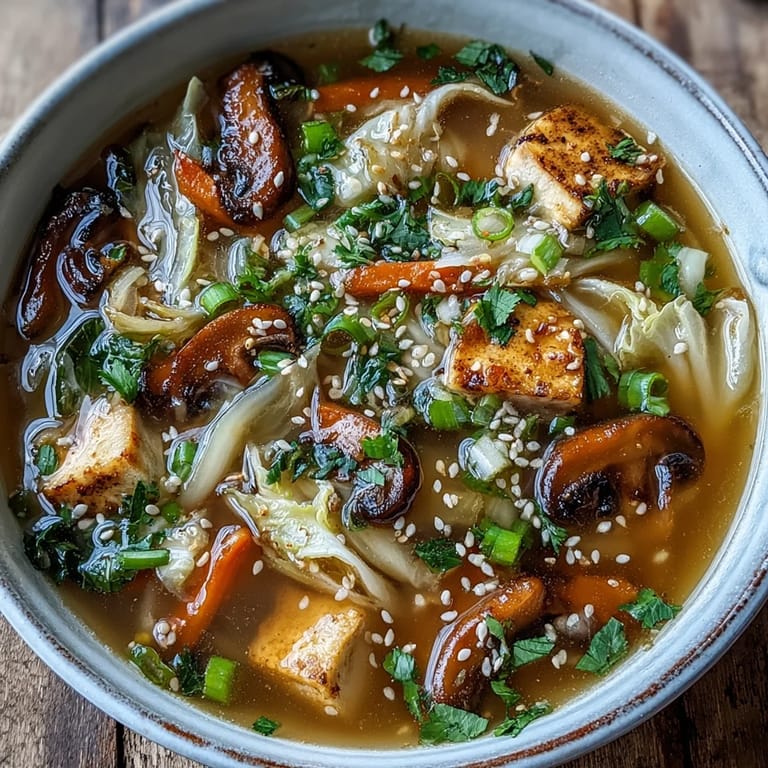
Save My neighbor knocked on my door one freezing afternoon with a thermos of ginger-miso soup, steam curling from the spout like a warm invitation. She'd made it that morning and brought extra because she said the broth had that quality—you know, where you can taste someone's intention in every spoonful. I've been making it ever since, adjusting the ginger to my mood and the vegetables to whatever's in my crisper drawer.
Last winter, I made this soup for a friend who'd just gotten over being sick, and watching her inhale it in three spoonfuls told me everything about whether it was worth making again. Now it's my go-to when someone needs feeding but can't handle anything heavy—it's nourishing without demanding anything from you.
Ingredients
- Water or low-sodium vegetable broth (6 cups): The foundation matters here; quality broth makes a noticeable difference, but water works fine if that's what you have.
- Fresh ginger (2-inch piece, thinly sliced): Don't peel it—the skin holds flavor and you'll strain it out anyway, plus you're not eating the slices.
- Garlic cloves (2, thinly sliced): Sliced rather than minced keeps the pieces whole so they're easy to fish out if you prefer.
- White or yellow miso paste (2 tablespoons): This is where the soul of the soup lives; it adds umami and probiotics, but it must go in after cooking to stay alive.
- Napa cabbage (1 cup, thinly sliced): Its delicate flavor lets other ingredients shine and it softens beautifully without falling apart.
- Carrot (1 medium, julienned): Cut thin so it actually cooks through in the short simmering time.
- Shiitake mushrooms (1 cup, stemmed and sliced): Their earthiness deepens the broth; use the stems for stock later if you're thinking ahead.
- Scallions (2, sliced): Save these for garnish—they're best fresh and add a sharp brightness at the end.
- Toasted sesame seeds (1 tablespoon): Toast them yourself if you can; the smell alone is worth it.
- Fresh cilantro or parsley (1 tablespoon, optional): Cilantro brings a lighter touch, parsley is more subtle—pick based on your mood.
- Chili oil or flakes (optional): A tiny drizzle wakes everything up without overpowering the delicate miso.
- Silken tofu (200 g, cubed): Adds protein and absorbs the broth's flavor completely; cube it gently so it doesn't cloud the soup.
- Cooked noodles (100 g soba or rice, optional): Cook separately so you control the texture and the broth stays clear.
Tired of Takeout? 🥡
Get 10 meals you can make faster than delivery arrives. Seriously.
One email. No spam. Unsubscribe anytime.
Instructions
- Start the infusion:
- Bring your liquid to a gentle simmer in a large pot—you want heat, not a rolling boil. Add the sliced ginger and garlic and let them sit there for 10 minutes, filling your kitchen with that warming, slightly spicy aroma.
- Add the vegetables:
- Slide in the cabbage, carrot, and mushrooms, then simmer for another 5 to 7 minutes until the carrot loses its raw crunch but still has some texture. This is when you know something delicious is happening.
- Prepare the miso carefully:
- Pull the pot off the heat and let it settle for a moment. Scoop the miso into a small bowl, ladle in some hot broth, and whisk it smooth—this prevents lumps and keeps the probiotics intact when you stir it back in.
- Finish gently:
- Stir the miso mixture into the soup with a slow hand; you're warming everything through, not agitating it. Add tofu and noodles now if using them, and let them warm for about 2 minutes.
- Serve warm and top:
- Ladle into bowls and scatter scallions, sesame seeds, and fresh herbs on top—the garnishes stay vibrant against the warm broth, and they're why the last spoonful tastes as good as the first.
 Save
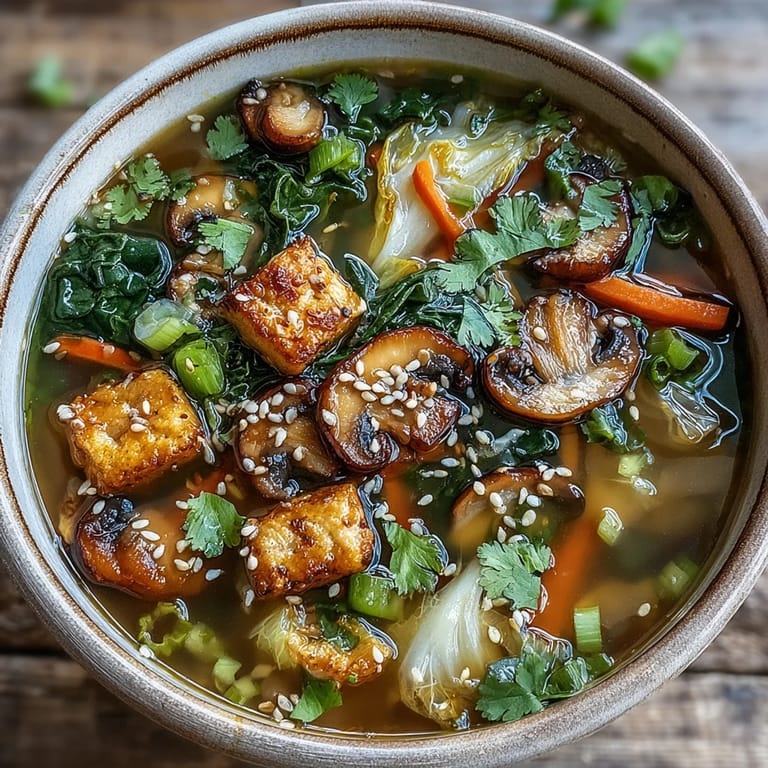
Save There's a moment right after you stir in the miso when the soup shifts from good to something that feels intentional, like it was made for exactly this moment in your day. That's when I know I got it right.
Building Flavor Without Heaviness
This soup works because miso does most of the heavy lifting—it's salty, savory, and deeply satisfying without needing cream or stock made from bones. The ginger adds a subtle heat that's more about warmth than spice, and the raw vegetables deliver texture and brightness so the broth never feels one-note. If you find it tastes flat, a half-teaspoon of soy sauce or tamari at the end pulls everything together, but taste first; you might not need it.
Vegetables You Can Swap Without Worry
The beauty of this soup is that it's forgiving with vegetables because the broth is strong enough to carry them. Bok choy wilts in seconds and adds a pleasant bitterness, spinach becomes silky when stirred in off heat, daikon brings a peppery crunch, and enoki mushrooms feel almost delicate floating in the broth. Even mushrooms you might not think pair well—button mushrooms, cremini, oyster—all work because the ginger and miso are so flavorful they elevate whatever's in the pot.
Temperature Matters
This soup is best served hot but not screaming hot; if it's too aggressive, it masks the miso's nuance and makes the ginger feel harsh. Aim for the temperature where you can eat it comfortably without rushing, because rushing means you miss the layers. It also keeps beautifully for three days in the fridge, though add fresh garnishes and gently reheat rather than boiling it again.
- Reheat gently on the stovetop, never at a rolling boil.
- Prepare noodles fresh each time you serve rather than storing them in the soup.
- If the broth tastes less vibrant the next day, a thin slice of fresh ginger while reheating brings it back to life.
 Save
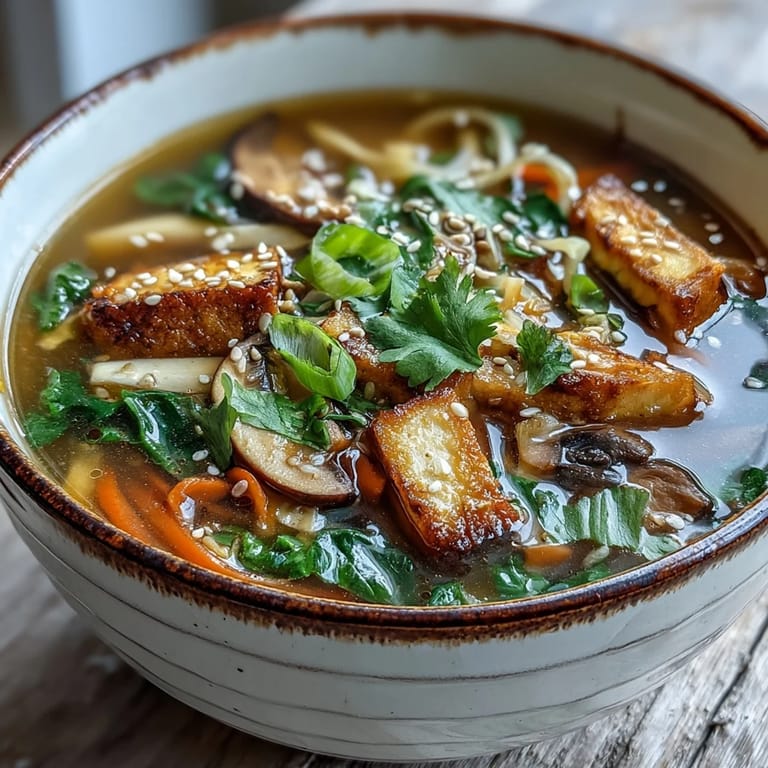
Save This soup has a quiet way of becoming your default when the weather turns cold or when someone needs feeding without fuss. Make it once and you'll understand why my neighbor brought me that thermos.
Recipe Questions & Answers
- → Can I use red miso instead of white?
Red miso works well but provides a stronger, more intense flavor. Reduce the amount slightly if substituting, as its robust profile can overpower the delicate ginger notes.
- → How long does this keep in the refrigerator?
Store in an airtight container for up to 3 days. Reheat gently over low heat without boiling to maintain the miso's beneficial enzymes and prevent separation.
- → Can I freeze this soup?
Freezing works best without the miso added. Prepare the broth and vegetables, cool completely, then freeze for up to 2 months. Stir in miso after reheating for optimal probiotic benefits.
- → What vegetables work best as substitutes?
Bok choy, spinach, daikon radish, or kale make excellent additions. For harder vegetables like carrots or daikon, add them during the initial simmer to ensure tenderness.
- → Is this suitable for meal prep?
Absolutely. Prepare vegetables in advance and store separately. The broth reheats beautifully, making it perfect for quick lunches throughout the week. Add garnishes just before serving.