 Save
Save Sunday mornings at my grandmother's house meant the smell of waffle iron butter hitting hot metal, that unmistakable sizzle that meant something delicious was about to happen. She had this ancient waffle iron with a temperamental hinge, and I'd watch her pour batter with such confidence, knowing exactly when to flip without even looking. Years later, making my own waffles, I realized she'd passed down something more than a recipe—it was the rhythm of knowing when to trust your instincts in the kitchen.
I made these for my partner last Valentine's Day morning, nothing fancy planned, just us and the waffle iron. When the first one came out perfectly golden, they looked at me like I'd done something special, even though it was just butter and flour and timing. That's the thing about waffles—they have this quiet magic that makes ordinary moments feel a little more intentional.
Ingredients
- All-purpose flour (2 cups): The foundation that needs to be measured by weight or spooned gently into the cup for accuracy—packing it down is the quickest way to tough waffles.
- Granulated sugar (2 tbsp): Just enough sweetness to enhance without making them dessert-like, balancing salt and bringing slight caramelization to the outside.
- Baking powder (1 tbsp): The secret to that tender crumb and lift; check the date on your container because old baking powder loses its power.
- Salt (½ tsp): Never skip this—it anchors the flavors and makes everything taste more like itself.
- Large eggs (2): Room temperature eggs incorporate more smoothly and create a richer structure than cold ones pulled straight from the fridge.
- Whole milk (1¾ cups): Creates the right moisture balance; whole milk gives a silkier batter than skim, but what you have on hand will work.
- Unsalted butter, melted and cooled (½ cup): Melted and cooled is crucial—pouring hot butter into eggs starts cooking them prematurely, and that changes everything.
- Pure vanilla extract (1 tsp): The small detail that makes people ask what's different about your waffles.
Tired of Takeout? 🥡
Get 10 meals you can make faster than delivery arrives. Seriously.
One email. No spam. Unsubscribe anytime.
Instructions
- Get your iron ready:
- Turn on your waffle iron and let it fully preheat; most have a light that indicates readiness, and waiting those extra seconds prevents pale waffles. While it heats, organize your ingredients and bowls so you're not scrambling once you start mixing.
- Combine the dry team:
- Whisk together flour, sugar, baking powder, and salt in one bowl, making sure to break up any lumps in the flour itself. This distributes the leavening evenly so every waffle rises the same way.
- Mix the wet ingredients:
- In a separate bowl, whisk eggs, milk, cooled melted butter, and vanilla until the mixture looks uniform and the eggs are fully incorporated. A few streaks of egg white mean you haven't whisked quite enough, so take another 30 seconds.
- Bring it together gently:
- Pour the wet mixture into the dry ingredients and stir until barely combined—lumps are your friend here because they mean you haven't overdeveloped the gluten. Overmixing creates tough, dense waffles that feel wrong in your mouth, so stop as soon as you don't see streaks of dry flour.
- Prep the iron:
- Brush a thin layer of melted butter or spray into your waffle iron's grid right before you pour, even if it's non-stick. This step is what turns a good waffle into one with those crispy, golden edges.
- Pour and listen:
- Fill the grid until batter just reaches the edges, then close the lid and listen—the steam releases, the sizzle quiets, and after 3 to 5 minutes, the outside should sound crispy when you open it gently. Timing varies by machine, so check after 3 minutes the first time and adjust for your iron's personality.
- Transfer with care:
- Use a fork or butter knife to coax the waffle out; if it sticks, wait 30 more seconds because it needs another moment to crisp. Repeat with remaining batter, and if they start cooking slower, your iron is cooling—a small break helps it recover.
 Save
Save There's a moment when you pull a finished waffle from the iron, still steaming, and it's so perfectly crispy that it shatters slightly when you touch it—that's the moment waffles stop being breakfast and become small edible wins. My nephew calls them "crunchy pancakes," which misses the point entirely but also somehow captures exactly why he asks for them every visit.
Variations Worth Trying
Once you've made the base recipe a few times, small changes open up a whole world of possibilities. I've added cinnamon and nutmeg for warmth, switched to buttermilk for tanginess, and even stirred in mini chocolate chips right before pouring—each version feels like a small discovery. The structure is so forgiving that you can play without worrying you'll ruin it, which is exactly the kind of recipe that keeps getting made.
The Storage and Freezer Strategy
Cooked waffles freeze beautifully for up to two months, and this is where the real genius of this recipe shows—a future version of yourself will be so grateful when you pull out a waffle and slide it into the toaster. I've learned to arrange them on a baking sheet to freeze first before bagging, so they don't stick together in a frozen block that defies separation.
Serving and Toppings That Matter
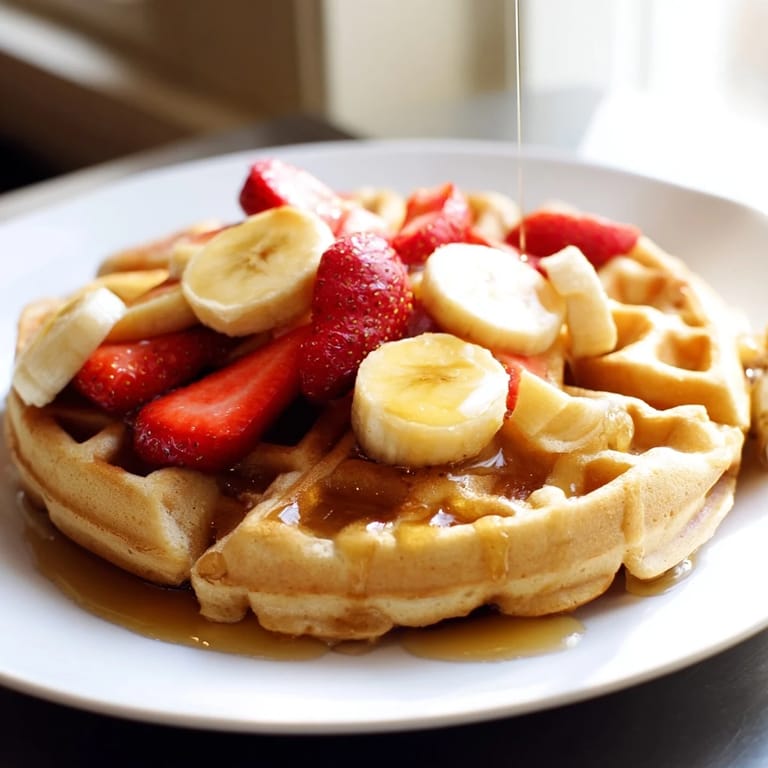
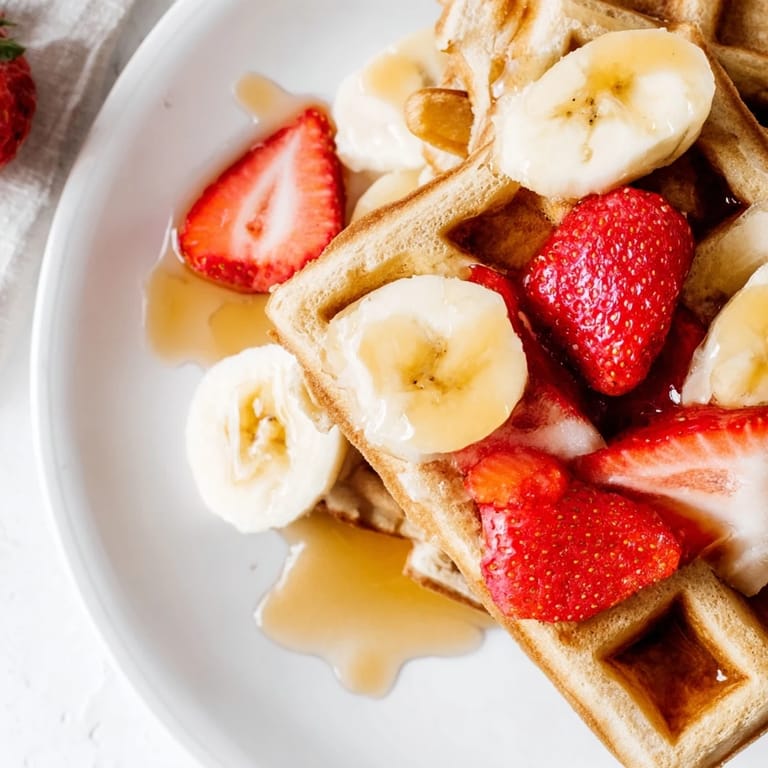
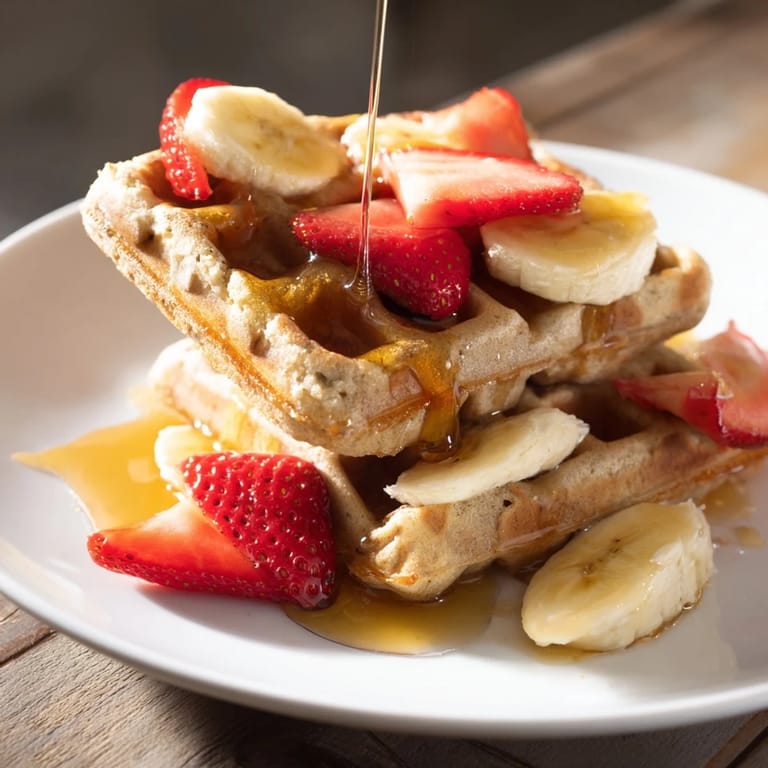
The waffle is the canvas, and how you finish it matters more than you'd think. Fresh berries in summer, maple syrup with a pinch of fleur de sel, whipped cream with a little vanilla, melted chocolate with sea salt—each combination tells a different story about breakfast. I've learned that sometimes the best toppings are the simplest, letting the waffle's own crispy sweetness be the star.
- Warm maple syrup soaks into the waffle best when poured right after it leaves the iron.
- A tiny pinch of fleur de sel on top of sweet toppings creates a flavor contrast that makes everything taste more.
- Leftover waffles reheat perfectly in a toaster or toaster oven, regaining their crispness like they were freshly made.
 Save
Save Waffles are proof that the simplest recipes often bring the most joy, especially when made with attention to small details and a willingness to enjoy the process. There's something about the smell, the sound, and that first bite that makes everything feel right.
Recipe Questions & Answers
- → How do I get waffles crisp outside and tender inside?
Preheat the waffle iron well and cook the batter until golden brown. Letting waffles rest briefly on a wire rack prevents sogginess, keeping them crisp and tender.
- → Can I add flavors to enhance the waffles?
Yes, adding a pinch of cinnamon or nutmeg to the batter adds warm spice notes, enriching the flavor profile naturally.
- → What toppings pair well with waffles?
Fresh fruit, maple syrup, whipped cream, or melted chocolate complement the crispy texture and tender crumb beautifully.
- → Is it possible to make the waffles ahead of time?
Cooked waffles can be frozen for up to two months. Reheat them in a toaster or oven to restore crispness before serving.
- → Can I substitute any ingredients to change the texture?
Using buttermilk instead of regular milk adds a slight tang and tenderizes the batter for a richer texture.