 Save
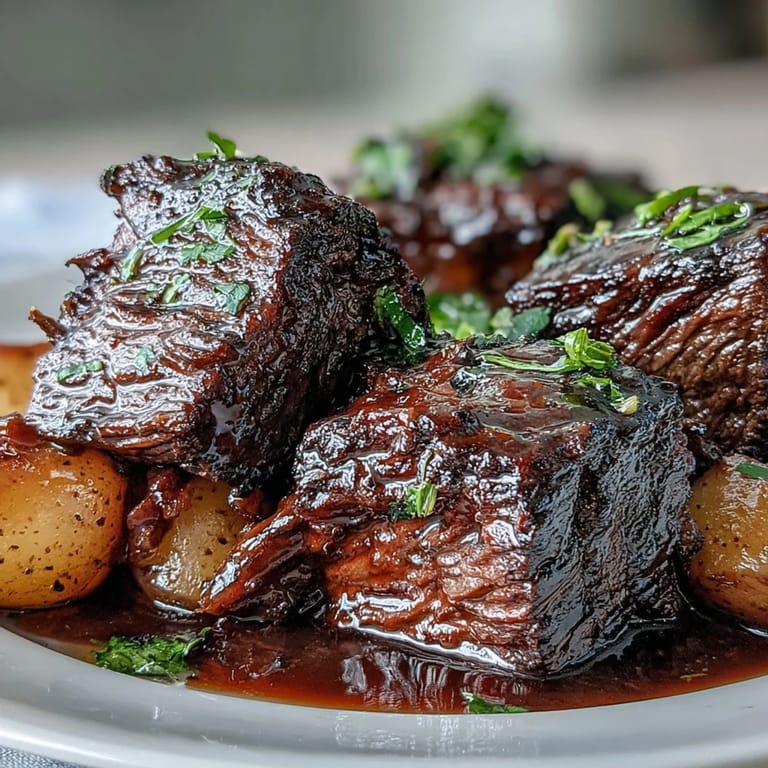
Save The smell of browned beef and wine simmering together is what pulled my husband into the kitchen that first cold Saturday I made this. He stood at the stove, lifted the lid, and said it smelled like his grandmother's house. I hadn't planned on making something nostalgic, just something warm. But that's what pot roast does—it fills the house with something more than dinner.
I made this for my brother's birthday once, and he ate three servings without saying a word. When he finally looked up, he just nodded and said, "This is the one." It's been requested at every family gathering since. There's something about a pot roast that makes people feel like they're home, even if they've never had it before.
Ingredients
- Beef chuck roast or blade roast (3 to 3.5 lb): The marbling in chuck makes it perfect for slow braising; it breaks down into tender, juicy shreds that melt in your mouth.
- Kosher salt (1.5 tsp plus more) and black pepper (1 tsp): Season generously before searing; this builds the flavor foundation for the entire dish.
- All-purpose flour (2 tbsp): A light dusting helps create a golden crust and thickens the gravy naturally as it braises.
- Olive oil (3 tbsp divided) and unsalted butter (1 tbsp): The combination gives you a high smoke point and rich flavor for a deep, caramelized sear.
- Yellow onion (1 large, in wedges): Onion wedges hold their shape and add sweetness that balances the savory broth.
- Garlic (4 cloves, smashed): Smashing releases more flavor than mincing, and the cloves soften into sweet, buttery bites.
- Carrots (4 medium, in chunks): Cut them large so they stay intact and absorb the braising liquid without turning to mush.
- Celery (3 ribs, in chunks): Adds a subtle herbal note and texture; don't skip it even if you think you don't like celery.
- Baby potatoes (1.5 lb): Waxy potatoes hold up beautifully in the braise and soak up the gravy like little flavor sponges.
- Tomato paste (2 tbsp): Cooking it until it darkens adds deep umami and a slight sweetness that rounds out the sauce.
- Dry red wine (1 cup): Use something you'd drink; it deglazes the pot and adds acidity and complexity to the gravy.
- Low-sodium beef broth (2.5 cups): Gives you control over the salt level and creates the base for the luscious braising liquid.
- Worcestershire sauce (1 tsp): Just a touch adds a savory, slightly tangy depth you can't quite name but will miss if it's gone.
- Fresh rosemary (2 sprigs) and thyme (3 sprigs): These herbs infuse the broth with earthy, aromatic flavor; remove the stems before serving.
- Bay leaves (2): They add a subtle background note that makes the whole dish taste more complex and complete.
- Cornstarch slurry (optional, 1.5 tbsp cornstarch plus 2 tbsp water): Use this if you want a thicker, coat-the-spoon gravy instead of a thinner sauce.
- Fresh parsley (for garnish): A sprinkle of green at the end brightens the plate and adds a fresh contrast to the rich, braised flavors.
Tired of Takeout? 🥡
Get 10 meals you can make faster than delivery arrives. Seriously.
One email. No spam. Unsubscribe anytime.
Instructions
- Preheat and Prep the Beef:
- Set your oven to 300°F if you're using it. Pat the roast completely dry with paper towels, then season every side generously with salt and pepper and dust lightly with flour, shaking off the excess.
- Sear the Roast:
- Heat 2 tablespoons of oil and the butter in a heavy pot over medium-high heat until shimmering. Lay the roast in carefully and sear each side for 4 to 5 minutes until deep golden brown, including the edges. Transfer to a plate.
- Cook the Aromatics:
- Lower the heat to medium and add the last tablespoon of oil if the pot looks dry. Add the onion wedges and cook for 3 to 4 minutes until softened and golden, then add the garlic and cook for 30 to 60 seconds until fragrant.
- Build the Base:
- Stir in the tomato paste and cook for 1 to 2 minutes, stirring constantly, until it darkens a shade. This step is key for deep flavor.
- Deglaze with Wine:
- Pour in the red wine and scrape up all the browned bits stuck to the bottom of the pot. Let it simmer for 2 to 3 minutes to reduce slightly and concentrate the flavor.
- Add Broth and Herbs:
- Stir in the beef broth and Worcestershire sauce, then add the rosemary, thyme, and bay leaves. Return the roast and any collected juices to the pot, nestling it into the liquid so it comes halfway up the sides.
- Braise Low and Slow:
- Bring the liquid to a gentle simmer, then cover tightly with a lid. Either reduce the heat to low or transfer the pot to the oven and cook for 1.5 hours undisturbed.
- Add the Vegetables:
- After 1.5 hours, carefully turn the roast over and tuck the carrots, celery, and potatoes around it, submerging them in the liquid. Cover again and cook for another 1.5 to 2 hours until the beef pulls apart easily and the vegetables are tender.
- Rest and Skim:
- Remove the roast and vegetables to a serving platter and tent loosely with foil. Skim any excess fat from the surface of the braising liquid with a spoon.
- Thicken the Gravy (Optional):
- Bring the liquid to a simmer on the stovetop. Stir in the cornstarch slurry and cook for 2 to 3 minutes, stirring, until the sauce thickens to your liking.
- Finish and Serve:
- Discard the herb stems and bay leaves. Shred the beef into large chunks or slice it against the grain, return it to the pot or arrange it over the vegetables, and spoon the gravy generously over everything. Garnish with fresh parsley and serve hot with crusty bread, buttered noodles, or mashed potatoes.
 Save
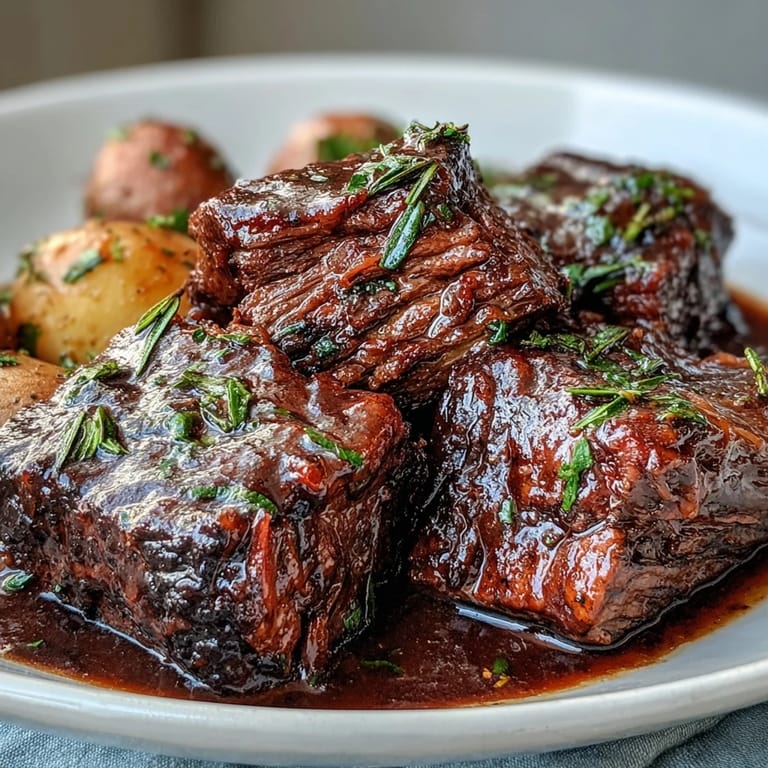
Save The first time I sliced into a pot roast I'd made, I realized it wasn't just about the recipe—it was about the patience. The way the meat fell apart, the way the vegetables glistened with gravy, the way everyone went quiet for a moment before digging in. That's when I understood why people have been making this dish for generations.
How to Choose the Right Cut
Chuck roast is your best friend here because of its marbling and connective tissue, which break down into gelatin during the long braise. Blade roast works too, but avoid lean cuts like sirloin—they'll dry out and turn tough no matter how long you cook them. Look for a roast with visible white streaks of fat running through it; that's what keeps everything juicy and tender.
Make-Ahead and Storage Tips
You can make this up to two days ahead and store it in the fridge in an airtight container; the flavors deepen and the fat solidifies on top, making it easy to skim off. Reheat gently on the stovetop over low heat, adding a splash of broth if the gravy has thickened too much. Leftovers freeze beautifully for up to three months; thaw overnight in the fridge and reheat slowly to keep the beef tender.
Variations and Substitutions
If you don't drink wine or prefer not to cook with it, just use extra beef broth or add a tablespoon of balsamic vinegar for acidity. You can swap the potatoes for parsnips, turnips, or even chunks of butternut squash if you want to change things up. For a slow cooker version, sear the beef and sauté the aromatics first, then transfer everything to the slow cooker and cook on low for 8 to 10 hours, adding the vegetables halfway through if you want them firmer.
- Try adding a tablespoon of Dijon mustard to the gravy for a subtle tang that cuts through the richness.
- Use half beef broth and half homemade stock for an even deeper, more complex flavor.
- If you're feeding a crowd, double the recipe and use a larger roasting pan; just add 30 minutes to the cooking time.
 Save
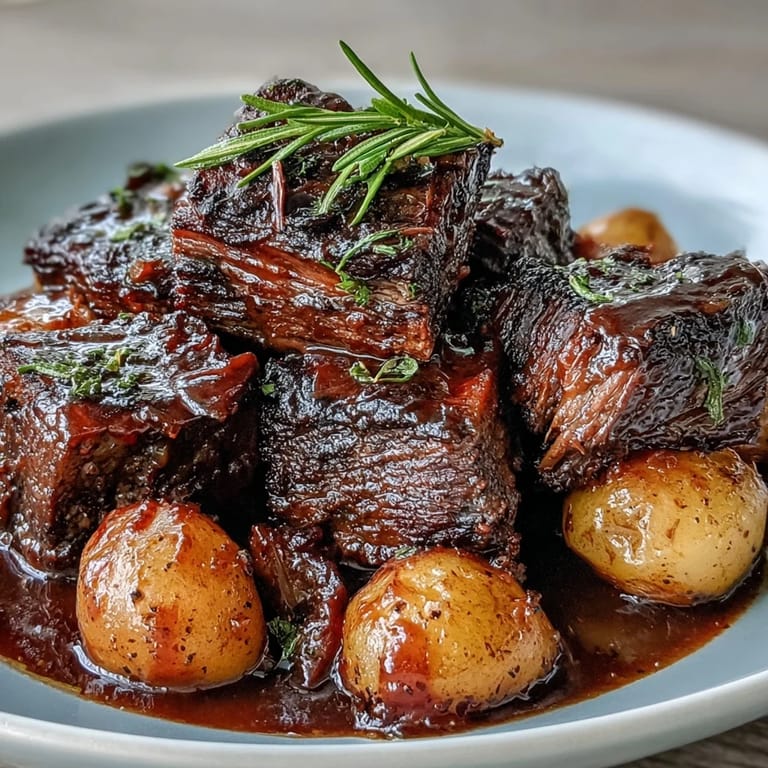
Save This pot roast has become the meal I make when I want to feel grounded, when I need the house to smell like comfort, and when I want to remind myself that good food doesn't have to be complicated. Just patient.
Recipe Questions & Answers
- → What cut of beef works best for pot roast?
Chuck roast or blade roast are ideal choices because they contain generous marbling and connective tissue. During long, slow cooking, this collagen breaks down into gelatin, creating incredibly tender, succulent meat that practically falls apart.
- → Can I make this without wine?
Absolutely. Substitute additional beef broth or stock for the red wine. You might add a splash of balsamic vinegar or Worcestershire sauce to maintain some acidity and depth of flavor in the braising liquid.
- → Why do I need to sear the meat first?
Searing creates a flavorful brown crust through the Maillard reaction, which adds hundreds of complex flavor compounds. These browned bits dissolve into the liquid during braising, infusing the entire dish with rich, savory depth.
- → When should I add the vegetables?
Add hearty vegetables like carrots, celery, and potatoes after the beef has cooked for about 1½ hours. Adding them too early will cause them to overcook and become mushy before the beef reaches optimal tenderness.
- → How do I know when the pot roast is done?
The beef is ready when it pulls apart easily with a fork and shreds into large chunks without resistance. This typically requires 3-4 hours of cooking time. The meat should offer zero resistance when pierced with a fork.
- → Can I thicken the gravy?
Yes, create a slurry by mixing cornstarch with cold water, then whisk it into the simmering cooking liquid. Cook for 2-3 minutes until the sauce reaches your desired consistency. Alternatively, mash some of the cooked potatoes into the liquid for natural thickening.