 Save
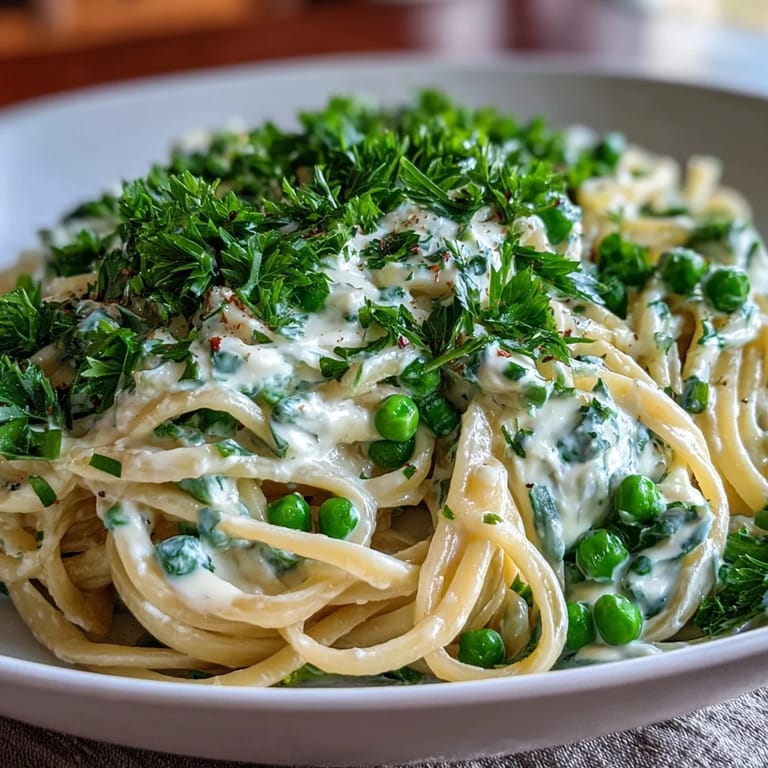
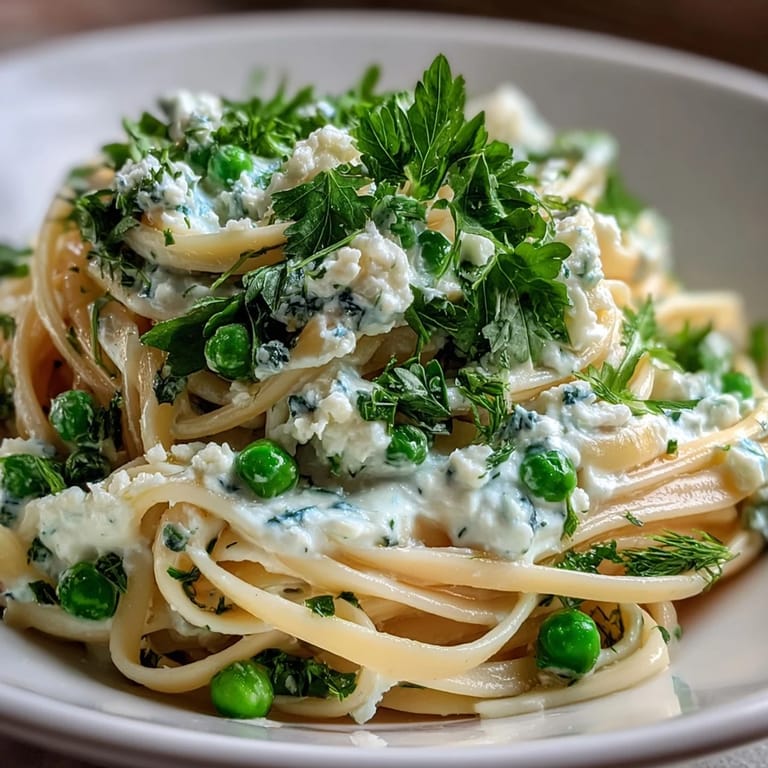
Save The scent of lemon zest always reminds me of late afternoons when sunlight streamed across my kitchen counter. One day I stumbled upon a bag of peas and ricotta left from another meal, and decided to improvise dinner. The result was a spring pasta that felt as light-hearted as the breeze outside. Ricotta and lemon linguine with peas quickly became my sunny-day comfort food. Now every time I cook it, spring seems to tumble right into my bowl.
I first made this pasta for friends crowded around a little table after a hike. Nobody wanted a heavy meal, so the ricotta and lemon brought a cool brightness we all craved. Someone spilled a bit of Parmesan and we ended up scooping it up straight from the cutting board. That day, laughter and saucy pasta intertwined, and every plate vanished in minutes.
Ingredients
- Linguine: Choose a good quality pasta, since its shape clings well to creamy sauces and stays al dente if you watch the clock closely.
- Peas: Sweet fresh peas are a spring treat, but frozen work beautifully if you thaw them just right—never overcook or they lose their pop.
- Garlic: Just two cloves add depth without overpowering, but keep them minced finely so they meld into the sauce.
- Lemon zest & juice: Use an unwaxed lemon and zest only the outer skin; fresh juice gives a clean tang that balances the richness.
- Ricotta cheese: Full-fat ricotta creates a velvety base, and a quick stir before adding ensures no graininess.
- Parmesan cheese: Grate it freshly for bold flavor—it melts into the sauce and adds beautiful saltiness.
- Extra-virgin olive oil: Just enough for fragrance; avoid overheating, or it can lose its delicate notes.
- Salt & black pepper: Keep the seasoning gentle until the end, then taste and tweak for the perfect finish.
- Fresh parsley: Chop only at the last minute so its aroma bursts over each plate.
Tired of Takeout? 🥡
Get 10 meals you can make faster than delivery arrives. Seriously.
One email. No spam. Unsubscribe anytime.
Instructions
- Boil the linguine:
- Fill your biggest pot with water, salt it generously, and watch for a rolling boil before adding pasta. Stir once in a while, and set a timer so you don't forget to reserve the cooking water!
- Sauté garlic:
- Heat olive oil gently, then scatter in the garlic—you'll smell its sweetness just as it starts to turn golden, but pull it off before it browns.
- Cook the peas:
- Toss peas into the hot skillet and give them a quick stir; they'll turn brighter and softer in just a few minutes. If using frozen peas, cook a tad longer so they're tender and vibrant.
- Mix the ricotta and lemon:
- In a roomy bowl, whisk together ricotta, zest, juice, Parmesan, salt, and pepper—the mixture should become creamy and inviting with a fresh citrus aroma.
- Combine everything:
- Add drained linguine and peas (with their garlicky oil) to the bowl, then toss with reserved pasta water until the sauce glistens and hugs each strand.
- Garnish and serve:
- A shower of parsley finishes the dish. Adjust the seasoning, and plate immediately, topping with extra Parmesan and a sprinkle of lemon zest for a cheerful flourish.
 Save
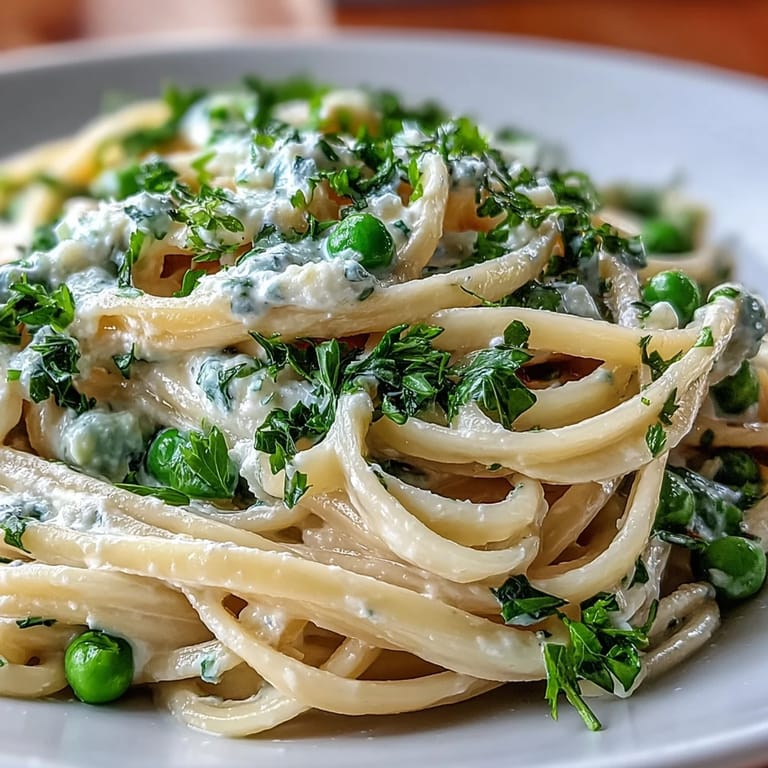
Save The last time I served this pasta, my kitchen windows were open and spring birds chirped louder than my playlist. Sharing it felt like celebrating little victories—the quick prep, vibrant colors, and grateful smiles. It felt less like dinner and more like a gathering around hope and renewal.
What Makes Ricotta Lemon Pasta So Special
Unlike tomato-based pasta, the lemon and ricotta combination is almost ethereal. The sauce comes together fast, with its brightness lifting your mood and palate. Pasta water feels magical here, transforming ricotta and lemon into a glossy coating. Even skeptical friends admitted they adored the creamy texture without feeling heavy.
Serving Suggestions and Pairings
This dish works wonderfully with simple sides like a peppery arugula salad or crusty sourdough bread. A glass of chilled Sauvignon Blanc cleanses the palate and enhances the citrus notes. Sometimes I sprinkle a handful of baby spinach or arugula right in the pan for extra green freshness—no need for anything fancy.
Easy Ways to Personalize Your Pasta
Once I swapped ricotta for mascarpone and the sauce became richer—perfect for a chillier spring evening. Whole-wheat linguine adds nuttiness and extra fiber, while fresh herbs like mint or basil offer an aromatic twist. Keep a zester handy, and remember that zest over the top wakes up every bite.
- If you want even more crunch, toasted pine nuts make a fabulous garnish.
- Don't hesitate to use frozen peas—they save time and taste great if handled gently.
- Always taste the finished pasta before serving; spring produce varies, so seasoning needs your attention!
 Save
Save I hope your spring pasta is as joyful and lively as mine turned out. The best meals are always simple and shared—enjoy every bite.
Recipe Questions & Answers
- → How can I ensure the pasta sauce is creamy?
Reserve pasta water before draining linguine and add it gradually. Toss gently until the ricotta mixture coats the noodles smoothly.
- → Can I use frozen peas instead of fresh?
Yes, frozen peas work well. Cook them for a minute longer to reach bright green and tender texture in the skillet.
- → What can I substitute for ricotta?
Mascarpone offers a richer sauce, while cottage cheese provides a lighter alternative with similar creaminess.
- → How should I garnish the dish?
Sprinkle chopped parsley, extra lemon zest, and grated Parmesan just before serving to enhance flavor and appearance.
- → Is this pasta suitable for vegetarians?
Yes, it uses plant-based ingredients and dairy. Ensure cheeses are vegetarian-friendly if serving strict vegetarians.
- → What wine pairs well with this meal?
Chilled Sauvignon Blanc or Pinot Grigio complement the citrus and creamy notes beautifully for a refreshing pairing.